The Refreshing World of Kachumber: Your Ultimate Indian Salad Guide
In the vibrant tapestry of Indian cuisine, where rich curries and aromatic spices often take center stage, there's a refreshing counterpoint that offers a burst of freshness and a palate cleanser like no other: Kachumber. This simple yet utterly delicious kachumber indian tomato and cucumber salad is a staple in homes and restaurants across India, celebrated for its crisp textures, tangy flavors, and incredible versatility. More than just a side dish, Kachumber is an integral part of the dining experience, providing a much-needed balance to the often hearty and complex main courses. If you're looking to add a vibrant, healthy, and easy-to-prepare element to your meals, mastering Kachumber is an absolute must.
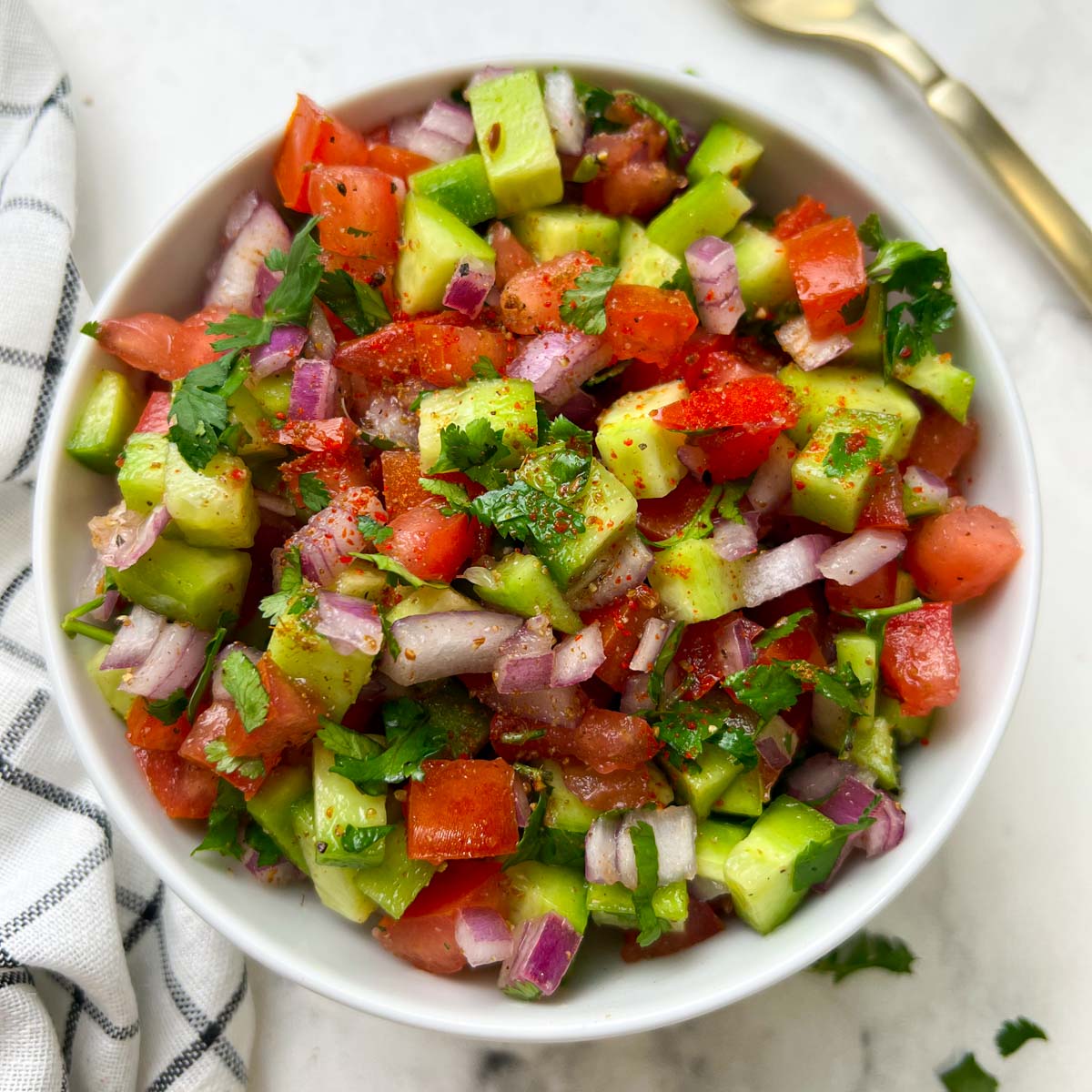
Its brilliance lies in its simplicity. Typically featuring finely diced cucumbers, tomatoes, and onions, brought together with a squeeze of lemon juice, a sprinkle of salt, and a hint of fresh herbs, Kachumber is a testament to how humble ingredients can create something extraordinary. It’s not just a salad; it's an experience that awakens your senses, leaving you feeling revitalized and ready for another bite. Let's delve deeper into what makes this Indian gem so special and how you can perfect it in your own kitchen.
The Heart of Indian Refreshment: What is Kachumber?
At its core, Kachumber is a chopped salad, but to call it merely that would be an understatement. It's a symphony of textures and flavors, designed to complement and cut through the richness of heavier Indian dishes. The word "Kachumber" itself is believed to derive from a Hindi word meaning "to chop" or "to mix," perfectly describing its preparation. This salad isn't just about combining ingredients; it's about carefully dicing them into small, uniform pieces to ensure that every spoonful offers a balanced bite of all components.
Traditionally, a classic kachumber indian tomato and cucumber salad will feature the holy trinity of vegetables: crisp cucumber, juicy tomato, and pungent red onion. These are then dressed with a simple yet potent concoction of fresh lime or lemon juice, which provides the essential tang, and salt. Beyond these basics, the addition of fresh coriander (cilantro) is almost mandatory, lending its distinctive aromatic freshness. For those who enjoy a little heat, finely chopped green chilies are a common inclusion, while a pinch of roasted cumin powder or the quintessential Indian spice blend, chaat masala, can elevate the flavor profile, introducing an addictive sweet-sour-spicy kick.
Kachumber stands out because it's not drenched in heavy dressings. Its beauty lies in the natural flavors of the fresh produce, enhanced by just a few key ingredients. It's hydrating, low in calories, and packed with vitamins, making it a healthy choice that doesn't compromise on taste. Whether served alongside a rich biryani, a comforting dal, or a spicy curry, Kachumber acts as a refreshing palate cleanser, offering a cool, crisp counterpoint that makes every meal more enjoyable. For a foundational understanding and a straightforward preparation method, be sure to check out our Easy Kachumber Salad Recipe: Indian Cucumber & Tomato.
Beyond the Basics: Essential Ingredients for the Perfect Kachumber
While Kachumber thrives on simplicity, selecting the right ingredients and preparing them correctly is crucial for achieving that authentic, vibrant taste and texture. Here’s a breakdown of the essential components and how to choose and prepare them:
Core Vegetables for Your Kachumber Indian Tomato and Cucumber Salad
- Cucumbers: Opt for firm, fresh cucumbers. English or Persian cucumbers are often preferred as they tend to have thinner skins and fewer, smaller seeds, making deseeding optional. If using regular garden cucumbers, you might want to peel them and scoop out the watery seeds for a crunchier salad that won't get soggy quickly. Dice them uniformly, about 1/4 to 1/2 inch cubes.
- Tomatoes: Choose ripe but firm tomatoes that aren't overly soft or watery. Roma or heirloom tomatoes work well. Remove the core and, if you wish to prevent the salad from becoming too wet, gently squeeze out some of the seeds and excess liquid before dicing them to the same size as your cucumbers.
- Onions: Red onions are the gold standard for Kachumber due to their vibrant color and mild sweetness. Finely dice them. If you find raw onions too pungent, a quick trick is to soak the diced onions in cold water for 10-15 minutes, then drain thoroughly before adding them to the salad. This mellows their sharpness considerably.
Flavor Enhancers and Seasonings
- Fresh Herbs: Fresh coriander (cilantro) is non-negotiable. Its bright, citrusy notes are essential. Finely chop a generous amount. Fresh mint leaves, finely minced, are an optional but delightful addition, especially for a summer version, lending an extra layer of coolness.
- Green Chilies: For a touch of heat, finely minced green chilies (like serrano or Thai green chilies) are excellent. Adjust the quantity according to your spice preference. If you prefer less heat, remove the seeds.
- Acidity: Freshly squeezed lemon or lime juice is the soul of the dressing. It provides the crucial tang that brightens all the flavors. Don't skimp on this!
- Salt: Essential for seasoning and drawing out the flavors of the vegetables. Use fine sea salt or Himalayan pink salt.
- Spices (Optional but Recommended):
- Roasted Cumin Powder (Jeera Powder): Adds an earthy, warm depth. A pinch goes a long way.
- Chaat Masala: This unique spice blend offers a distinctive sweet, sour, salty, and spicy flavor profile that is truly magical in Kachumber. It's highly recommended for an authentic taste.
Optional Additions for Texture and Flavor Variations
- Pomegranate Seeds: For a burst of sweetness and a beautiful jewel-like appearance.
- Bell Peppers: Finely diced yellow or red bell peppers can add color and a mild sweetness.
- Carrots/Radishes: Grated or finely diced for extra crunch and nutrition.
The beauty of Kachumber is its adaptability. While the core ingredients remain, feel free to experiment with these additions to find your perfect balance. Remember, the key is fresh, high-quality produce and precise chopping for the best results.
The Art of Chopping: Mastering Kachumber Prep
The success of a great kachumber indian tomato and cucumber salad hinges significantly on how you prepare the vegetables. It’s not just about cutting; it’s about precision, uniformity, and understanding how different cuts impact the final texture and flavor distribution. Here’s why and how to master the art of chopping for your Kachumber:
Why Even Dicing Matters
- Consistent Texture: When all ingredients are roughly the same size, every bite delivers a harmonious blend of crisp cucumber, juicy tomato, and pungent onion. Large, uneven chunks disrupt this balance.
- Flavor Distribution: Uniformly diced vegetables allow the dressing (lemon juice, salt, spices) to coat each piece evenly, ensuring that no single ingredient overpowers another.
- Aesthetic Appeal: A well-chopped Kachumber is visually appealing, with vibrant colors and neat pieces, making it more inviting to eat.
- Ease of Eating: Smaller, bite-sized pieces are simply easier and more pleasant to eat, especially when accompanying a main course.
Step-by-Step Chopping Guide
- Cucumbers: Wash thoroughly. If peeling, do so now. For particularly watery varieties, halve lengthwise and use a spoon to scoop out the seeds. Lay the halves flat-side down and slice lengthwise into thin strips, then rotate and dice across into 1/4 to 1/2-inch cubes.
- Tomatoes: Wash and remove the tough core. Halve the tomatoes. If you prefer a less watery salad, gently squeeze out some of the seeds and liquid. Then, dice them into pieces similar in size to your cucumbers. Using a serrated knife can help prevent crushing the tomatoes.
- Onions: Peel the red onion. Cut it in half through the root end. Place one half cut-side down on your board. Make several vertical cuts (without cutting through the root end), then a few horizontal cuts. Finally, dice across to create fine, small cubes. Repeat with the other half. Remember the trick of soaking in cold water if you want to reduce pungency.
- Green Chilies: Wash and remove the stem. For maximum heat, finely mince the whole chili. For less heat, slice it in half lengthwise, remove the seeds, and then mince.
- Coriander: Wash the fresh coriander well and pat dry. Chop finely, including the tender stems, which are full of flavor.
Tips for Avoiding a Watery Salad
- Deseeding: As mentioned, deseeding watery cucumbers and tomatoes can significantly reduce the moisture content.
- Salting Onions (Optional): If you're sensitive to onion pungency and want to draw out excess moisture, you can finely dice the onions, toss them with a pinch of salt, let them sit for 10-15 minutes, then rinse thoroughly and pat very dry before adding to the salad. This also slightly softens their texture.
- Add Dressing Just Before Serving: The golden rule for Kachumber! Salt and lemon juice draw water out of vegetables. To keep your Kachumber crisp, prepare all the chopped ingredients and store them separately in the fridge. Mix in the lemon juice, salt, and spices only 5-10 minutes before you plan to serve. This ensures maximum freshness and crunch.
By paying attention to these chopping techniques and timing your dressing, you'll consistently create a Kachumber that is perfectly crisp, flavorful, and a delight to eat.
Serving Suggestions and Pairings: Elevate Your Indian Meal
Kachumber is more than just a salad; it's a culinary chameleon, adapting seamlessly to a multitude of dishes. Its refreshing qualities make it an indispensable companion to the rich and complex flavors of Indian cuisine, but its versatility extends far beyond. Understanding how to pair and present your kachumber indian tomato and cucumber salad can transform a simple meal into an extraordinary dining experience.
Classic Indian Pairings
The primary role of Kachumber in Indian meals is to provide a refreshing, acidic, and crunchy counterpoint to heavier, spicier, or richer dishes. Here's where it truly shines:
- Biryani and Pulao: A scoop of cool, crisp Kachumber cuts through the richness of fragrant rice dishes like Chicken Biryani, Vegetable Pulao, or Lamb Rogan Josh, offering a much-needed textural contrast.
- Curries and Dals: Whether you're enjoying a hearty lentil dal, a creamy Paneer Butter Masala, or a fiery Chicken Vindaloo, Kachumber provides a cooling balance that cleanses the palate and allows you to appreciate each dish anew. It's often served alongside or mixed into the main dish by diners.
- Kebabs and Tandoori Dishes: The smoky, grilled flavors of seekh kebabs, tandoori chicken, or paneer tikka are beautifully complemented by the fresh acidity of Kachumber, making each bite incredibly satisfying.
- With Indian Breads: Alongside Naan, Roti, Paratha, or Puri, Kachumber adds a fresh element that prevents the meal from feeling too heavy. It can even be used as a fresh topping inside a wrap.
It’s no wonder Why Kachumber is Your Perfect Fresh Indian Side Dish – its ability to harmonize with virtually any Indian meal is truly remarkable.
Beyond the Traditional: Modern Applications
Don't limit Kachumber to just Indian meals! Its vibrant flavors and healthy profile make it a fantastic addition to various cuisines and meal types:
- Grilled Meats and Fish: Serve it as a fresh side to grilled chicken, fish, or steaks, especially those marinated with Mediterranean or Middle Eastern spices.
- Tacos and Wraps: Use it as a fresh, crunchy topping for vegetarian or meat tacos, burritos, or any kind of sandwich or wrap, adding a unique Indian twist.
- Healthy Bowl Topper: Add a spoonful to grain bowls, Buddha bowls, or even as a vibrant side to scrambled eggs for breakfast.
- Deconstructed Chaat: For a lighter take on Indian street food, layer Kachumber with some chickpeas, a drizzle of yogurt, a sprinkle of sev, and a touch of tamarind chutney.
Presentation Tips
- Serve Chilled: Kachumber is best enjoyed cold, so make sure it's well-chilled before serving.
- Garnish Generously: A final sprinkle of fresh coriander leaves, a wedge of lemon, or a few pomegranate seeds (if using) enhances both the visual appeal and the aroma.
- Individual Servings or Bowls: You can serve Kachumber in a large communal bowl or small individual ramekins, depending on your dining style.
By exploring these serving suggestions, you’ll discover that Kachumber isn't just a side; it's a versatile culinary asset that can elevate a wide array of meals.
Conclusion
From its humble origins as a simple chopped salad to its indispensable role in Indian cuisine, Kachumber stands as a testament to the power of fresh, quality ingredients prepared with care. This kachumber indian tomato and cucumber salad is a beacon of freshness, offering a delightful crunch, a vibrant tang, and a refreshing contrast to the rich and aromatic dishes it accompanies. It's not only incredibly easy to prepare but also packed with health benefits, making it a guilt-free addition to any meal.
Mastering Kachumber is about more than just a recipe; it's about embracing a philosophy of balance, freshness, and simplicity in cooking. By paying attention to the quality of your produce, the precision of your chop, and the timing of your dressing, you can consistently create a Kachumber that brightens any table and delights every palate. So, whether you're hosting an elaborate Indian feast or simply looking for a quick, healthy side for your weeknight dinner, let Kachumber be your go-to. Dive in, experiment with the flavors, and discover the refreshing magic of this ultimate Indian salad.
